One of the wonderful parts of the World Cup has been watching the teams stand and sing their national anthems before the games. As the cameras have panned the men on the pitch, attitudes of sincerity and pride have been seen on the faces of most of the teams.
There’s something about representing one’s country that instills a sense of pride and patriotism in many. In an age when such public spirit is often mocked or dismissed, to see these men filled with pride to play for their countries has been encouraging.
Honor isn’t dead.
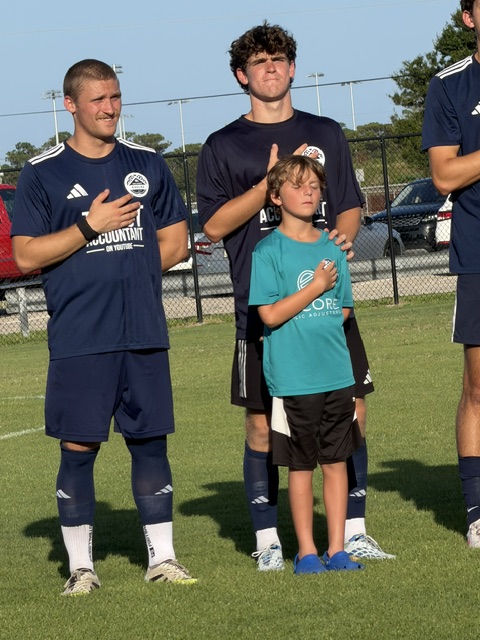
Our grands and their friends participated in soccer camp this past week with Missionary Athletes International, a group that holds camps, teaches kids about values and character, and plays against local teams. They seek to instill a sense of gratitude for the many things we each have to be thankful for, one of which is the many privileges we have of living in America. Saying the Pledge of Allegiance was a way to help these young athletes be reminded that living here is an advantage and a blessing.
When I was growing up, it was part of our morning routine to say the pledge in school. All of us would stand beside our desks, hands over our hearts, and repeat our allegiance to our country. As a kid, I didn’t understand what allegiance was. In the fourth grade, Miss Glixon was determined to help us understand the reality of loyalty, devotion, and a faithful commitment to something bigger than ourselves. She taught us about patriotism and the need to be thankful for where we lived and the freedoms we had to do what we chose.
In His day, the religious leaders were constantly trying to trap Jesus with their questions and comments, wanting Him to say something blasphemous that would show He thought Himself equal with God. When He was teaching the crowds, an expert in religious law asked Jesus what the most important commandment was. At that time, many religious leaders were divided over which of the 613 laws was most important. Wanting them to understand that He had come to fulfill the law, Jesus quoted the Shema, the central Jewish prayer found in Deuteronomy 6:4-5: “Listen, O Israel! The Lord is our God, the Lord alone. And you must love the Lord your God with all your heart, all your soul, and all your strength.” He also quoted from Leviticus 18:18: “But love your neighbor as yourself.”
Loving God and loving your neighbor as yourself are known as the Two Great Commandments. All of the law, the prophets, and Jesus’ teaching are founded on these two commands. They show a loyalty and devotion to God, which will reflect in how we treat one another.
The apostle John expanded on that, sharing the love God has for each of us: “This is real love–not that we loved God, but that He loved us and sent His Son as a sacrifice to take away our sins. Dear friends, since God loved us that much, we surely ought to love each other.” 1 John 4:10-11. Loving God and loving others is the path toward eternity with Him.
The kids in camp were learning about loyalty and devotion to the foundational principles and fundamental ideals of our country.
Jesus taught the fundamental principles of life: loving God and loving others.
Representing one’s country is a privilege.
Representing the hope of heaven is a gift.


Leave a Reply