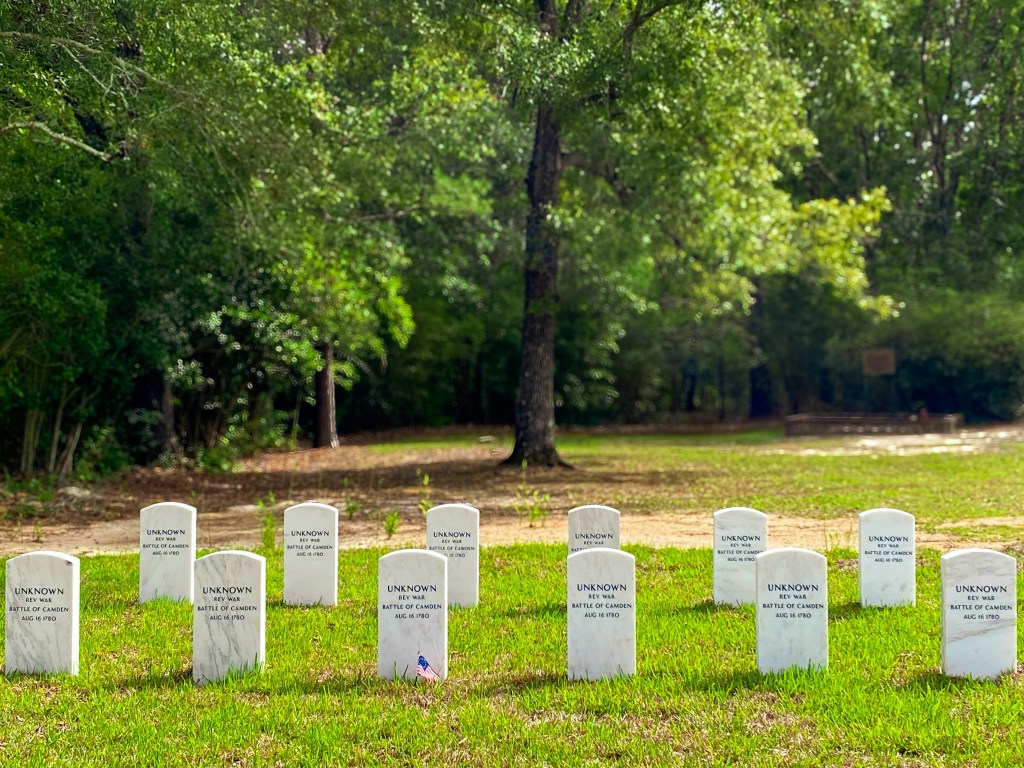
photo courtesy of Eric Wiser on Unsplash
Because the armistice that ended World War 1 happened on the eleventh hour of the eleventh day of the eleventh month of 1918, November 11 was officially labeled as Veterans’ Day in 1954 by President Dwight Eisenhower. Its purpose was to honor all men and women who had served or are serving our country in wartime or peacetime.
These people are heroes. They’ve often gone against a cultural norm addressed to those who are patriots who choose to fight for our country. Many died fighting for our freedom; many more have come home injured, physically or emotionally, and find it hard to reenter life here in a healthy way.
We have many heroes, most of whom don’t receive the recognition they deserve. First responders put themselves in harm’s way daily for our protection–despite being mocked, ridiculed, and belittled for what they do. Some teachers often are in tenuous situations every day, standing before students who frequently don’t care about learning, who make teaching difficult.
There are ordinary people, public servants, and healthcare workers who daily demonstrate courage, making personal sacrifices for others. They perform acts of kindness for those in need.
Some never set out to be heroes, but their circumstances propelled them into lives of service for others. Mother Teresa first became a missionary in India, working as a teacher to the needy. She felt challenged to give up everything to serve the poorest of the poor in Calcutta. Her heart was to exhibit that all people had dignity, no matter their ethnicity or socio-economic status.
Malala Yousafzai was an eleven-year-old Pakistani girl when the Taliban took control of their town and banned girls from school. She fought back, becoming an activist, blogging, and speaking out on the need for girls to be educated. It marked her as a target, and in October of 2012, a Taliban gunman boarded her school bus and shot her in the head. After months of surgeries and rehabilitation, she joined her family in the UK and continued to call for all children to have access to education.
Another girl who was placed in the role of hero, unexpectedly, was Esther, a young Jewish woman who was orphaned and raised by her cousin, Mordecai.
Her story is unusual. King Xerxes of Persia was very powerful and wealthy, and for 180 days, he threw a royal party exhibiting his vast resources. Near the end of his party, he wanted to show off his Queen Vashti, to show everyone her beauty.
She refused to come to him. In anger, the king banned her from his presence. Instead, he had all the beautiful young women of his kingdom come before him, gave them all extended time for beauty treatments, and then brought them to Xerxes for final approval.
He chose Esther to be his new queen. But Xerxes had no idea she was Jewish.
Mordecai was a devout man who had once informed the king of a plot against his life. It put him in the king’s favor, but Mordecai was hated by Haman, who was a high noble in Xerxes’ court, because Mordecai wouldn’t bow to Haman as everyone else did. His hatred caused him to want to kill all Jews.
When Mordecai heard of the plot, he informed Esther that she needed to go to the king to plead for mercy. She was afraid he might kill her, but Mordecai told her:
“Don’t think for a moment that because you’re in the palace, you will escape when all other Jews are killed. If you keep quiet at a time like this, deliverance and relief for the Jews will arise from some other place, but you and your relatives will die. Who knows if perhaps you were made queen for just such a time as this?” Esther 4:12-14.
Esther dared to go to the king, and eventually, Haman’s plot against the Jews was halted. Esther went from fear to faithfulness to save her people.
We don’t often know when we’re going to be called on to do something helpful for others.
The better question may be, are we prepared to help those who need us?


 Tip of My Iceberg
Leave a reply to katiesencouragementforyou Cancel reply