
photo courtesy of Annie Spratt on Unsplash
I’ve been listening–unashamedly–to Christmas music for about the last four weeks. I’m really not one of those people who turns on the tunes of the season right after Halloween. This year I felt the need earlier to hear the upbeat and mellow music of Christmas. I don’t know if it’s the pressures of life or expectations of the season, but I felt I needed a carol kind of pick-me-up. Waiting wasn’t an option.
One of my favorites is “O Come, O Come Immanuel”, a rather mournful-sounding carol that was originally written in Latin during the ninth century, a product of the monastic life during that era. It was sung the seven days preceding Christmas Eve, one of each of the seven sentences sung each day. It’s a song of longing for the return of Jesus at the end of time, a song about waiting. It acknowledges His first advent when He took on the form of human flesh and lived among us to show us God. Now that He’s been resurrected, it’s the anticipation of His return to bring His people home.
This song reflects the Jews of the Old Testament looking forward to their coming Messiah; the wonder of the New Testament church rejoicing in Jesus’ first coming; the anticipation and expectation of His promised return. It’s the promise made and fulfilled. The hope set before us and seen.
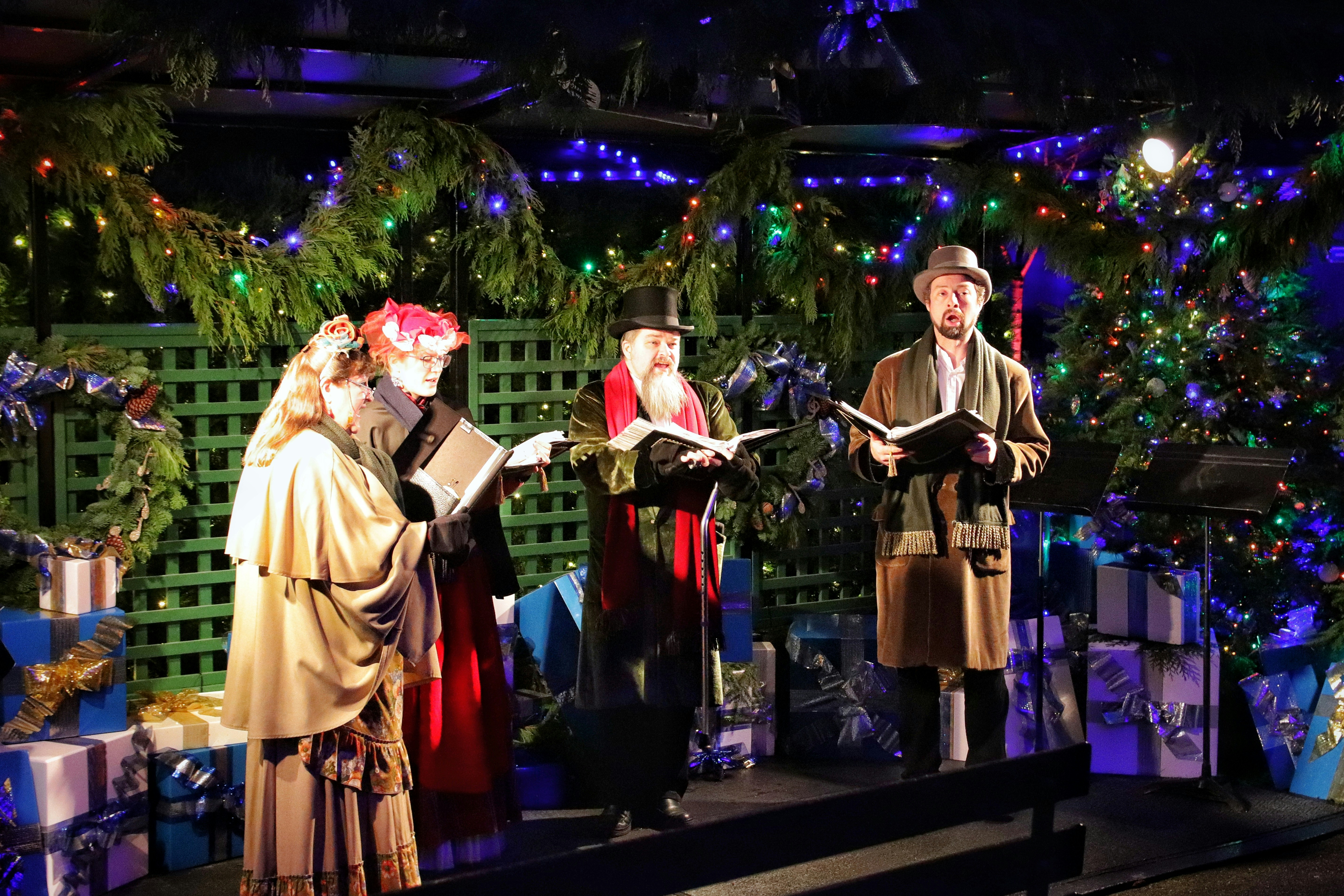
photo courtesy of Mario Mendez on Unsplash
Longing isn’t a word used much in our current vernacular. We’re not a global culture that endures waiting. Yet the promise given in Genesis 3:15 after Adam and Eve disobeyed God, letting them know He would send a Savior to free them from their bad choices, wasn’t fulfilled until 4,000 years later. The Jews waited, often in anguish, for what they knew would come, the hope of their salvation.
Waiting is a challenge. When we’re young, we can hardly wait for the things we want or what we can’t yet do. As we get older, waiting tries our patience, allowing us to pause before expecting gratification. Waiting often enriches our appreciation for what we receive rather than settling for instant rewards.
Music is a measurement of waiting. It’s often a story told in notes, with big crescendos trumpeting the highlight or the purpose. I think of Handel’s “Hallelujah Chorus” where it builds to a resounding finish that always lifts my heart. Or “The Waltz of the Flowers”, the final song in Tchaikovsky’s “Nutcracker Suite”, which is the grand celebration of Clara and the Prince.
We wait when it’s important because we long for what we don’t yet have. Waiting is more precious when what we anticipate means something important to us.
Zephaniah, the great-great grandson of King Hezekiah, prophesied during the era of King Josiah, from 640 to 609 BC. The book he wrote mentions in three short chapters the coming of the promised Messiah more than any other book in the Old Testament. He spoke of waiting, but he also spoke of promises.
“For the LORD your God is living among you. He is a mighty Savior. He will take delight in you with gladness With His love, He will calm all your fears. He will rejoice over you with joyful songs.” Zephaniah 3:17
God sings songs of love over us because He longs to be with us more than we long to be with Him. He knows us fully and chooses to love us, not so we could work for Him, not if we follow so many rules, not because He has no better options.
He sent Jesus to pave the way for a love relationship with Him.
God offers that love to us now.
No need to wait any longer.


 Tip of My Iceberg
Leave a reply to daylerogers Cancel reply